
Many people see the phrase “kintsugi” online and assume it is just an art trend, aesthetic style, or social media slang. Others use it in emotional texts, breakup posts, healing quotes, or TikTok captions, which can make the meaning confusing. Some people even think it has a hidden romantic or spiritual message depending on who says it.
In this guide, you’ll learn the deeper symbolism behind kintsugi, how people use it in conversations and social media, what it means from a girl or guy, and how to reply naturally in chats.
Direct Answer: Kintsugi is a Japanese art and spiritual concept that means embracing flaws, healing after pain, and becoming stronger through broken experiences. Spiritually, it represents growth, resilience, self-acceptance, and finding beauty in imperfections instead of hiding them.
Meaning and Definition
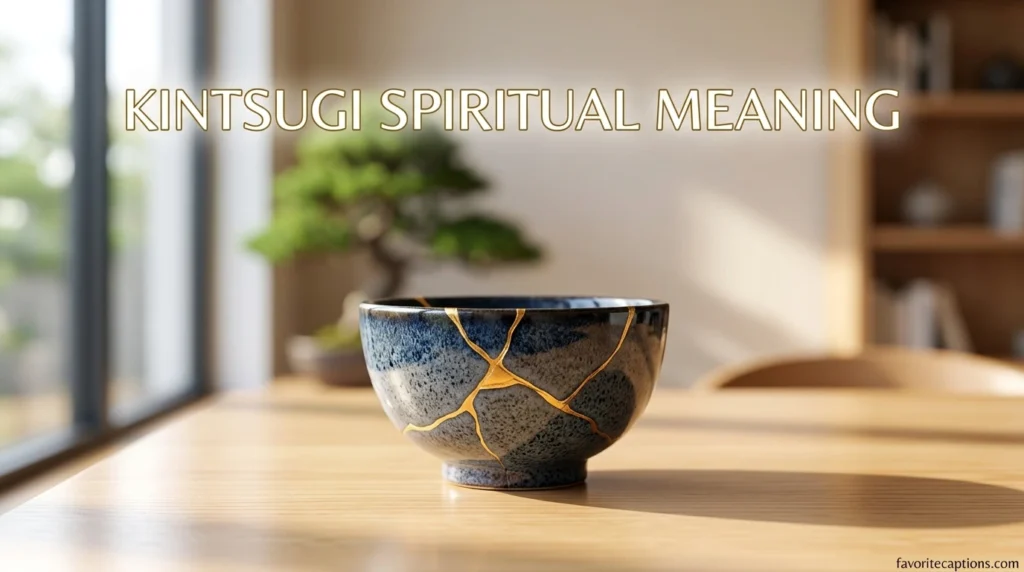
Kintsugi is a traditional Japanese method of repairing broken pottery using gold-colored lacquer. Instead of hiding cracks, the damage becomes part of the object’s beauty.
Spiritually, this idea symbolizes:
- Healing after emotional pain
- Accepting imperfections
- Personal growth through struggles
- Turning wounds into wisdom
- Finding beauty in broken moments
People often use the term when talking about:
- Heartbreak recovery
- Mental healing
- Self-love journeys
- Trauma and resilience
- Spiritual awakening
- Emotional transformation
Simple Meaning in Everyday Language
If someone says:
“I’m learning kintsugi.”
They usually mean:
“I’m healing and accepting myself after difficult experiences.”
Spiritual Symbolism Behind Kintsugi
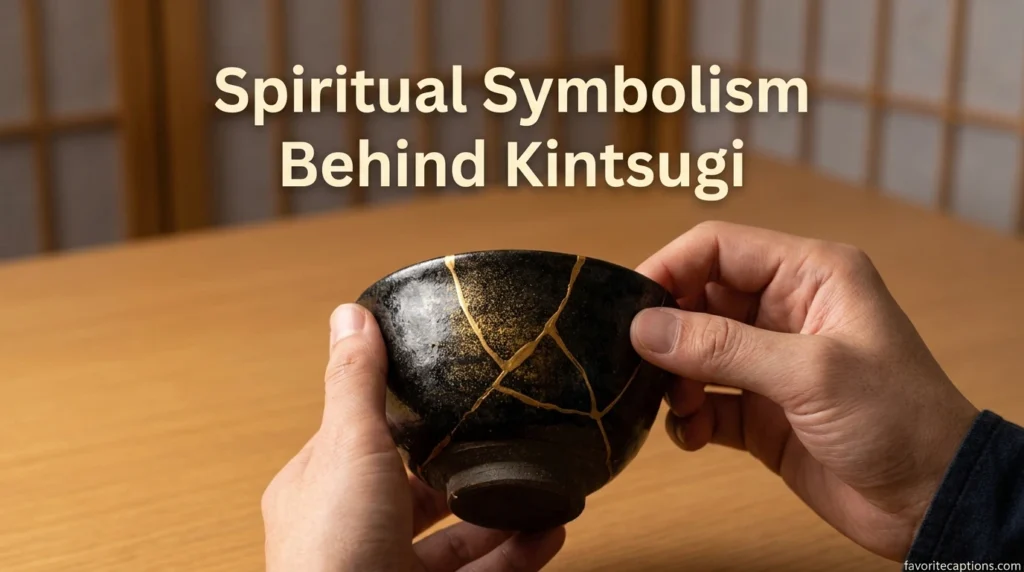
The spiritual side of kintsugi focuses on the belief that broken things are not worthless.
Instead, scars and struggles can make a person:
- Wiser
- Stronger
- More compassionate
- More authentic
Common Spiritual Interpretations
SymbolSpiritual MeaningCracks filled with goldPain transformed into strengthBroken potteryHuman emotional strugglesRepair processHealing and self-growthGold linesWisdom gained through suffering
Many people connect kintsugi with:
- Mindfulness
- Inner peace
- Emotional recovery
- Zen philosophy
- Self-acceptance
Meaning From Girl vs Guy
The meaning can slightly change depending on who uses it and the context.
From a Girl
When a girl uses kintsugi in a message or caption, she may mean:
- She is healing emotionally
- She accepts her flaws
- She has grown from heartbreak
- She values emotional depth
Example
“This year has been my kintsugi era.”
Meaning: She went through struggles but is rebuilding herself stronger.
From a Guy
When a guy uses the term, it often reflects:
- Emotional maturity
- Quiet healing
- Personal growth
- Overcoming hardships
Example
“Life broke me, but maybe that’s my kintsugi.”
Meaning: He feels transformed by difficult experiences.
Usage in Chat, Snapchat, Instagram, and TikTok

The word is popular in emotional, aesthetic, and motivational content online.
On Snapchat
People may use it in:
- Healing streak captions
- Emotional selfies
- Recovery updates
Example:
“Kintsugi energy lately.”
On Instagram
Often appears in:
- Self-growth captions
- Tattoo posts
- Mental health quotes
- Artistic reels
Example:
“The cracks are part of the story.”
On TikTok
Usually connected to:
- Glow-up journeys
- Breakup healing
- Spiritual content
- Therapy and self-care videos
Example:
“POV: you stop hiding your scars and become kintsugi.”
Different Meanings Based on Context
The phrase can carry different emotional tones.
Emotional Meaning
Represents healing after sadness or trauma.
Romantic Meaning
Can mean:
- Loving someone despite flaws
- Growing stronger after heartbreak
- Rebuilding trust
Spiritual Meaning
Represents transformation and inner peace.
Motivational Meaning
Encourages people to:
- Stop hiding imperfections
- Embrace life experiences
- Value personal growth
Real Chat Examples

Here are some realistic examples of how people use it online.
Example 1
Person:
“I’m basically kintsugi at this point.”
Meaning: They feel emotionally scarred but stronger now.
Example 2
Friend:
“Your healing journey feels very kintsugi.”
Meaning: Your struggles made you wiser and more beautiful emotionally.
Example 3
Caption:
“Broken, repaired, glowing.”
Meaning: A poetic reference to emotional recovery.
How to Reply
Casual Replies
- “That’s actually beautiful.”
- “I love that mindset.”
- “Growth through pain hits differently.”
Emotional Replies
- “Your scars tell your story.”
- “Healing looks good on you.”
- “You’re stronger than before.”
Flirty Replies
- “Your imperfections make you even more attractive.”
- “Golden cracks still shine.”
- “You’ve got main-character healing energy.”
Smart Replies
- “That’s a powerful philosophy.”
- “There’s beauty in restoration.”
- “Pain can reshape identity in meaningful ways.”
Similar Slang Terms and Differences
TermMeaningDifferenceGlow-upPersonal improvementFocuses more on appearance or successHealing eraEmotional recoveryLess symbolicPhoenix energyRising after destructionMore dramatic rebirth symbolismSoft lifePeaceful livingFocuses on comfort and calmMain character energyConfidence and self-focusMore social-media oriented
Kintsugi is deeper and more spiritual because it centers on accepting damage rather than pretending perfection.
Common Mistakes or Misconceptions
Thinking It Means Weakness
Some people assume brokenness equals failure. The spiritual idea is the opposite.
Using It Only for Aesthetics
It’s more than a trendy art style or Pinterest vibe. It represents emotional transformation.
Assuming It’s Romantic Only
While it can relate to relationships, it also applies to:
- Mental health
- Self-growth
- Spiritual journeys
- Life struggles
Mispronouncing or Misusing It
People sometimes use it randomly without understanding the meaning. It’s best used in thoughtful or reflective contexts.
Signs Someone Relates to Kintsugi Spiritually
A person may connect with this symbolism if they:
- Value emotional healing
- Embrace imperfections
- Learn from painful experiences
- Believe struggles create wisdom
- Focus on personal growth
Why Kintsugi Resonates So Deeply Online
Modern social media often pressures people to appear perfect. Kintsugi feels refreshing because it promotes authenticity.
People relate to it because:
- Everyone experiences emotional pain
- Healing is universal
- Vulnerability feels human
- Imperfections make stories meaningful
That’s why the concept appears frequently in:
- Mental health communities
- Spiritual TikTok
- Therapy discussions
- Motivational content
Kintsugi Meaning in Love and Relationships
In relationships, kintsugi often symbolizes healing after emotional pain and learning to love despite imperfections. Many people use this concept after breakups, trust issues, or difficult emotional experiences.
Instead of pretending a relationship was perfect, the idea encourages people to value the lessons learned from the cracks.
Relationship Interpretations
- Growing stronger after heartbreak
- Rebuilding trust slowly
- Accepting emotional scars
- Loving imperfect people honestly
- Becoming emotionally wiser
Example
“Our relationship became kintsugi after everything we survived.”
Meaning: The relationship was damaged but rebuilt with deeper understanding and strength.
Kintsugi Meaning in Mental Health
Many people connect this philosophy with emotional wellness and mental health healing.
The idea reminds people that:
- Struggles do not define failure
- Healing takes time
- Emotional scars are normal
- Recovery can create strength
This is why therapists, motivational speakers, and self-help creators often mention kintsugi in:
- Anxiety discussions
- Depression recovery
- Trauma healing
- Self-worth conversations
Common Mental Health Themes
- Self-acceptance
- Emotional resilience
- Healing from trauma
- Learning from pain
- Inner growth
Kintsugi Meaning in Dreams
Seeing kintsugi or broken pottery in dreams can carry symbolic meanings.
Possible Dream Interpretations
Dream SymbolPossible MeaningBroken potteryEmotional pain or life changesRepairing cracksHealing and recoveryGold fillingWisdom gained through hardshipHolding repaired potteryEmotional acceptance
Spiritually, these dreams may represent personal transformation or emotional renewal.
Why Gen Z Loves the Kintsugi Concept
Gen Z and younger social media users connect deeply with this idea because it promotes authenticity instead of perfection.
Online culture often pressures people to:
- Look flawless
- Hide struggles
- Appear constantly happy
Kintsugi challenges that mindset by saying:
“Your flaws and struggles are part of your beauty.”
Reasons It Became Popular
- Relatable emotional symbolism
- Strong aesthetic appeal
- Mental health awareness
- Healing-centered content trends
- Self-love culture on TikTok and Instagram
Kintsugi Aesthetic and Social Media Trends
The concept is also popular visually because the gold cracks create a unique and emotional artistic style.
Common Kintsugi-Inspired Content
- Gold crack makeup looks
- Tattoo designs
- Healing journal pages
- Broken-heart artwork
- Emotional photo edits
- Inspirational reels
Popular Caption Examples
- “Beautifully rebuilt.”
- “Cracks filled with gold.”
- “Healing made me shine.”
- “Not broken — transformed.”
Signs Someone Is Using Kintsugi Symbolically
Sometimes people mention the term indirectly without explaining it.
Clues to Watch For
They may post:
- Broken pottery images
- Gold crack artwork
- Healing quotes
- Transformation captions
- Emotional recovery stories
Common Symbolic Phrases
- “Turning pain into gold.”
- “The cracks tell the story.”
- “Rebuilt differently.”
- “Beauty in imperfections.”
Spiritual Lessons People Learn From Kintsugi
The philosophy teaches several important emotional and spiritual lessons.
Key Life Lessons
- Pain can create wisdom
- Healing is not always invisible
- Imperfections make people unique
- Growth often comes through hardship
- Scars can become strengths
Many people find comfort in the idea because it changes how they view failure and emotional damage.
Kintsugi Quotes and Their Meanings
Here are some common quote styles inspired by the philosophy.
“The wound is where the light enters.”
Meaning: Pain can lead to growth and wisdom.
“Broken things can become more beautiful.”
Meaning: Healing can create deeper value than perfection.
“Your scars are proof you survived.”
Meaning: Past struggles show strength, not weakness.
When Not to Use the Word Kintsugi
Although the term is meaningful, it may sound confusing in casual conversations if people do not know the reference.
Avoid Using It
- In overly serious situations without context
- Around people unfamiliar with the concept
- As random trendy slang without understanding
Better Situations for Use
- Emotional conversations
- Motivational captions
- Healing discussions
- Personal growth content
Cultural Background of Kintsugi
Kintsugi comes from Japanese culture and traditional craftsmanship. The art form dates back hundreds of years and reflects values connected to patience, acceptance, and respect for an object’s history.
The philosophy is closely linked to ideas like:
- Simplicity
- Impermanence
- Mindfulness
- Appreciating flaws naturally
Understanding its cultural roots helps people use the term respectfully instead of treating it as only an internet trend.
Emotional Impact of the Kintsugi Philosophy
One reason the concept resonates deeply is because many people secretly feel “broken” by life experiences.
Kintsugi offers a healthier perspective:
- You do not need to hide your scars
- Healing is part of your identity
- Growth can come from painful moments
- Imperfections do not reduce your value
This emotional message makes the philosophy powerful in both spiritual and everyday conversations.
FAQs
What does kintsugi mean spiritually?
Spiritually, it means healing, resilience, and embracing imperfections after emotional pain or difficult life experiences.
Is kintsugi positive or negative?
It is generally very positive because it focuses on growth, recovery, and finding beauty in flaws.
What does kintsugi mean in relationships?
In relationships, it can symbolize rebuilding trust, loving imperfect people, or growing stronger after heartbreak.
Why do people use kintsugi on TikTok?
People use it to describe emotional healing, self-love journeys, mental health growth, and transformation after difficult experiences.
Is kintsugi a religion?
No. It is a Japanese art philosophy and symbolic concept, though many people connect it to spirituality and mindfulness.
What does “kintsugi era” mean?
It usually means someone is rebuilding themselves emotionally and becoming stronger after pain or hardship.
Can kintsugi describe a person?
Yes. Calling someone “kintsugi” usually means they have been through struggles but became wiser, stronger, and more beautiful emotionally.
Conclusion
Kintsugi is more than an ancient Japanese art form or social media trend. Spiritually, it represents healing, resilience, and the idea that broken experiences can create strength and beauty instead of shame. Whether used in texts, captions, TikTok videos, or emotional conversations, the message behind it is deeply human and relatable.
Understanding this concept helps you recognize why people connect so strongly with it online. It reminds us that imperfections are not something to hide — they can become the most meaningful parts of our story.